Poor Circulation in the Feet and Ankles

Poor circulation can affect the feet and ankles in ways that make daily life uncomfortable, and, at times, risky. Blood flow depends on arteries and veins, which have different roles. Arteries carry oxygen-rich blood from the heart to the tissues, while veins return blood back to the heart. When arteries are narrowed, the feet may feel cold, painful, or tired, especially during walking. When veins do not work properly, blood can pool in the lower legs, leading to swelling, heaviness, and skin changes. Both problems can increase the risk of slow healing and infection. People may notice discoloration, numbness, or wounds that take longer to improve. A podiatrist can help identify circulation concerns, monitor skin health, and guide care to reduce complications. If you have symptoms of poor circulation such as foot pain, swelling, or slow-healing wounds, it is suggested that you seek care from a podiatrist.

While poor circulation itself isn’t a condition; it is a symptom of another underlying health condition you may have. If you have any concerns with poor circulation in your feet contact Brain Middleton, DPM of Medical Foot Care Center. Our doctor will treat your foot and ankle needs.

Poor Circulation in the Feet

Peripheral artery disease (PAD) can potentially lead to poor circulation in the lower extremities. PAD is a condition that causes the blood vessels and arteries to narrow. In a linked condition called atherosclerosis, the arteries stiffen up due to a buildup of plaque in the arteries and blood vessels. These two conditions can cause a decrease in the amount of blood that flows to your extremities, therefore resulting in pain.

Symptoms

Some of the most common symptoms of poor circulation are:

  • Numbness
  • Tingling
  • Throbbing or stinging pain in limbs
  • Pain
  • Muscle Cramps

Treatment for poor circulation often depends on the underlying condition that causes it. Methods for treatment may include insulin for diabetes, special exercise programs, surgery for varicose veins, or compression socks for swollen legs.

As always, see a podiatrist as he or she will assist in finding a regimen that suits you. A podiatrist can also prescribe you any needed medication. 

If you have any questions, please feel free to contact our office located in Rome, GA . We offer the newest diagnostic and treatment technologies for all your foot care needs.

Read more about Causes, Symptoms, and Treatment of Poor Blood Circulation in the Feet

Simple Exercises Can Strengthen the Feet

Strong feet help support balance, movement, and stability during activity. When small muscles in the feet become weak, people may notice fatigue, aching, or poor control when walking. Simple exercises can improve foot strength by targeting these muscles. They also improve flexibility in the feet and ankles. Movements that involve lifting the toes or spreading them apart can help build strength. Gentle pointing and flexing of the foot can improve range of motion. Better foot strength can support the arch and reduce strain on parts of the foot and ankle. A podiatrist can evaluate foot function and identify areas of weakness. They can guide patients through structured exercise programs and prescribe custom orthotics to support alignment. Strengthening the feet can help to improve comfort and mobility. If you have sore or aching feet that limit daily activities, it is suggested that you make an appointment with a podiatrist for help.

Exercising your feet regularly with the proper foot wear is a great way to prevent injuries and build strength. If you have any concerns about your feet, contact Brain Middleton, DPM from Medical Foot Care Center. Our doctor can provide the care you need to keep you pain-free and on your feet.

Exercise for Your Feet

Exercise for your feet can help you gain strength, mobility and flexibility in your feet. They say that strengthening your feet can be just as rewarding as strengthening another part of the body. Your feet are very important, and we often forget about them in our daily tasks. But it is because of our feet that are we able to get going and do what we need to. For those of us fortunate enough to not have any foot problems, it is an important gesture to take care of them to ensure good health in the long run.

Some foot health exercises can include ankle pumps, tip-toeing, toe rises, lifting off the floor doing reps and sets, and flexing the toes. It is best to speak with Our doctor to determine an appropriate regimen for your needs. Everyone’s needs and bodies are different, and the activities required to maintain strength in the feet vary from individual to individual. 

Once you get into a routine of doing regular exercise, you may notice a difference in your feet and how strong they may become.

If you have any questions, please feel free to contact our office located in Rome, GA . We offer the newest diagnostic and treatment technologies for all your foot care needs.

Read more about Exercise for Your Feet

Dry Skin Can Become Painful Cracked Heels

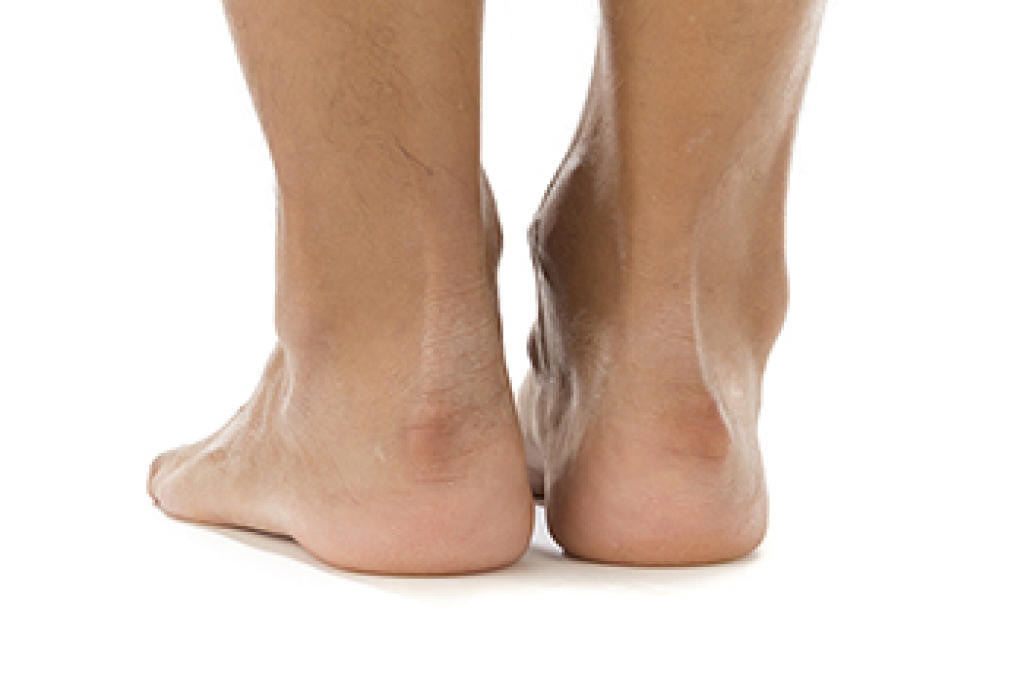
Cracked heels, also called heel fissures, develop when the skin on the bottom or edges of the heel becomes thick, very dry, and less flexible. As pressure increases during standing and walking, the skin can split, causing discomfort that ranges from mild tenderness to sharp pain. The heel may look rough, flaky, yellowed, or callused. Deeper cracks may bleed or become inflamed. Common causes include dry skin, prolonged standing, and open-back shoes. Excess pressure on the heel and certain medical conditions that affect skin health are also factors. A podiatrist can examine the severity of the fissures, safely trim thickened skin, and recommend moisturizing treatments, supportive footwear, and custom orthotics to reduce pressure. Targeted care can help prevent infection and improve healing, especially when walking becomes painful. Early treatment is important because untreated fissures can deepen and lead to more serious skin breakdown. If you have painful cracked heels or heel fissures, it is suggested that you make an appointment with a podiatrist.

Cracked heels are unsightly and can cause further damage to your shoes and feet. If you have any concerns, contact Brain Middleton, DPM from Medical Foot Care Center. Our doctor can provide the care you need to keep you pain-free and on your feet.

Cracked Heels

Cracked heels appear unappealing and can make it harder for you walk around in sandals. Aside from looking unpleasant, cracked heels can also tear stockings, socks, and wear out your shoes. There are several methods to help restore a cracked heel and prevent further damage.

How Do You Get Them?

Dry skin is the number one culprit in creating cracked heels. Many athletes, walkers, joggers, and even swimmers suffer from cracked heels. Age and skin oil production play a role to getting cracked heels as well.

Promote Healing

Over the counter medicines can help, especially for those that need instant relief or who suffer from chronic dry feet.

Wear Socks – Wearing socks with medicated creams helps lock in moisture.

Moisturizers – Applying both day and night will help alleviate dryness which causes cracking.

Pumice Stones – These exfoliate and remove dead skin, which allows for smoother moisturizer application and better absorption into the skin. 

Change in Diet

Eating healthy with a well-balanced diet will give the skin a fresh and radiant look. Your body responds to the kinds of food you ingest. Omega-3 fatty acids and zinc supplements can also revitalize skin tissue.

Most importantly, seek professional help if unsure how to proceed in treating cracked heels. A podiatrist will help you with any questions or information needed. 

If you have any questions, please feel free to contact our office located in Rome, GA . We offer the newest diagnostic and treatment technologies for all your foot care needs.

Read more about Solutions for Cracked Heels

Inspect Your Feet Regularly for Abnormalities if You're Diabetic

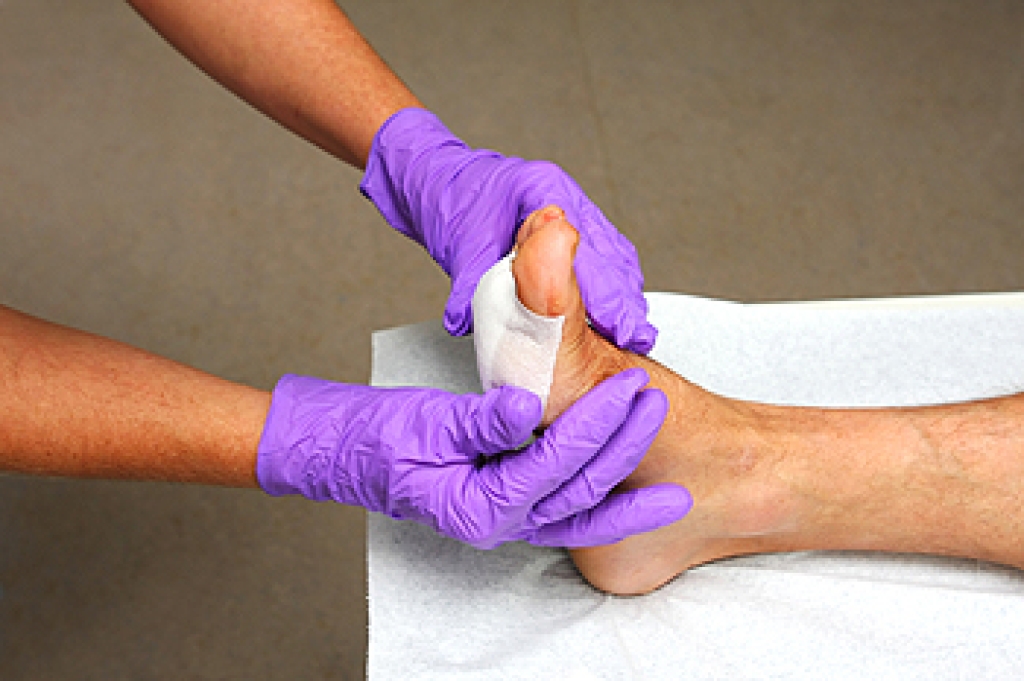
Diabetic patients often have decreased sensitivity in their feet, which makes a visual inspection of the feet even more important. If you're diabetic, having periodic screenings is extremely important for maintaining the overall health of your feet. 

Causes of Ankle Pain

Ankle pain can develop from a variety of causes, ranging from sudden injury to gradual wear and tear. Sources include sprains, tendon inflammation, arthritis, or overuse from repetitive activity. A sprain may occur when the ligaments are stretched or torn, often leading to swelling, bruising, and difficulty bearing weight. In other cases, pain may build slowly with stiffness, aching, or a feeling of instability in the joint. The ankle may appear swollen, tender to touch, or limited in movement, especially after activity. A podiatrist can evaluate the ankle through physical examination and imaging  tests to determine the underlying cause. Treatment may include braces, changes in footwear, custom orthotics, and targeted exercises to restore strength and stability. In more severe cases, advanced treatment or surgery may be considered. If you have ankle pain that does not improve or interferes with daily activity, it is suggested that you schedule an appointment with a podiatrist for appropriate relief and treatment remedies.

Ankle pain can have many different causes and the pain may potentially be serious. If you have ankle pain, consult with Brain Middleton, DPM from Medical Foot Care Center. Our doctor will assess your condition and provide you with quality foot and ankle treatment.

Ankle pain is any condition that causes pain in the ankle. Due to the fact that the ankle consists of tendons, muscles, bones, and ligaments, ankle pain can come from a number of different conditions.

Causes

The most common causes of ankle pain include:

  • Types of arthritis (rheumatoid, osteoarthritis, and gout)
  • Ankle sprains
  • Broken ankles
  • Achilles tendinitis
  • Achilles tendon rupture
  • Stress fractures
  • Tarsal tunnel syndrome
  • Plantar fasciitis

Symptoms

Symptoms of ankle injury vary based upon the condition. Pain may include general pain and discomfort, swelling, aching, redness, bruising, burning or stabbing sensations, and/or loss of sensation.

Diagnosis

Due to the wide variety of potential causes of ankle pain, podiatrists will utilize a number of different methods to properly diagnose ankle pain. This can include asking for personal and family medical histories and of any recent injuries. Further diagnosis may include sensation tests, a physical examination, and potentially x-rays or other imaging tests.

Treatment

Just as the range of causes varies widely, so do treatments. Some more common treatments are rest, ice packs, keeping pressure off the foot, orthotics and braces, medication for inflammation and pain, and surgery.

If you have any questions please feel free to contact our office located in Rome, GA . We offer the newest diagnostic tools and technology to treat your foot and ankle needs.

Read more about Ankle Pain
scroll to top
Request Appointment